As drones are increasingly used for tasks requiring long flight times and heavy payloads, dual or multi-battery systems are becoming more common. These setups offer extended flight durations, improved reliability, and better performance. However, they also present challenges like added weight, complexity, and maintenance.
What Is a Dual or Multi-Battery System?
A dual or multi-battery system connects two or more batteries in parallel to increase energy capacity. This improves flight time, distributes the power load, and provides redundancy in case of battery failure. Common applications include delivery, surveying, and emergency response, where longer flights and reliability are crucial.
Why Use a Dual or Multi-Battery System?
Extended Flight Time: More energy capacity for longer missions.
Redundancy: Continued operation even if one battery fails.
Load Balancing: Reduces stress and overheating of individual batteries.
High Power Demand: Meets power needs for heavy payloads or difficult terrains.
Rapid Swapping: Enables quick battery changes for minimal downtime.
Challenges of Multi-Battery Systems
Synchronization: Ensuring all batteries discharge evenly.
Load Sharing: Balancing power usage to prevent overheating or inefficiencies.
Fault Tolerance: Handling battery failures without compromising safety.
Interference: Avoiding communication issues between batteries and systems.
Weight: Accommodating multiple batteries without affecting performance.
Solutions to Battery Imbalance
Battery Management Systems (BMS): Monitors and balances voltages.
Cell Balancing Circuits: Redistribute energy between cells efficiently.
Isolation Techniques: Prevent reverse current flow with diodes or relays.
Voltage Regulation: Use converters to maintain consistent voltage.
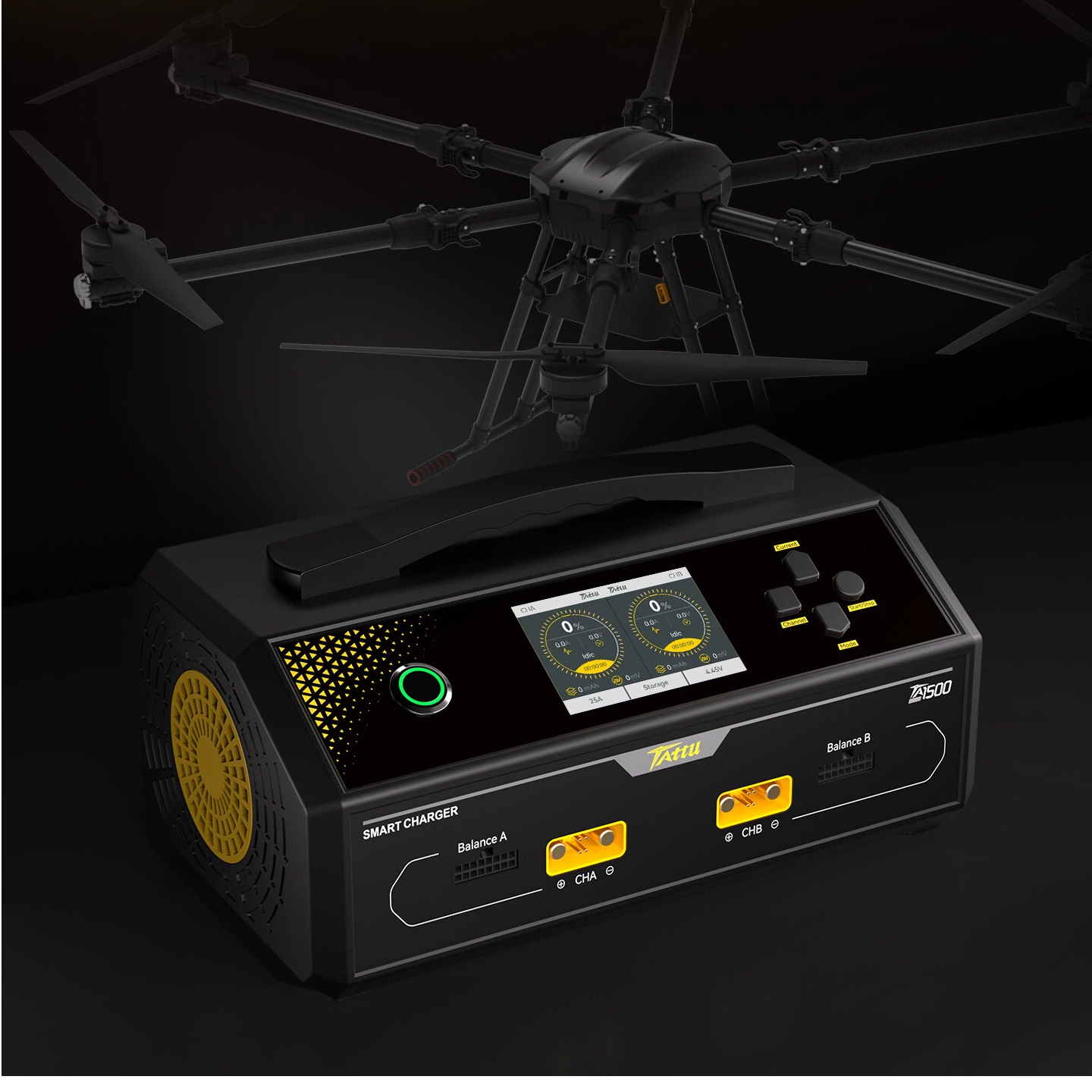
Equalization Charging: Charge batteries to the same level before use.
Regular Monitoring: Check battery health and performance periodically.
Applications of Multi-Battery Systems
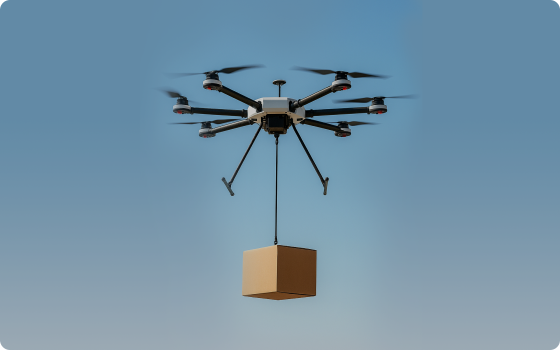
Logistics: Delivery and cargo drones benefit from extended range.
Agriculture: Longer flights for crop monitoring and spraying.
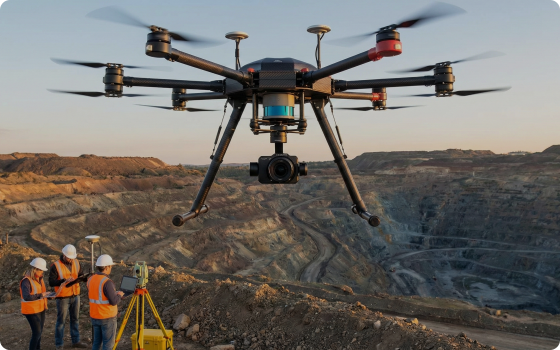
Surveying: Covering large areas for mapping and inspections.
Public Safety: Search and rescue or disaster relief operations.
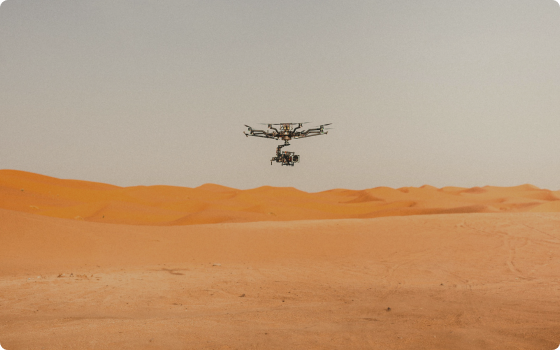
Film and Photography: Longer shoots for cinematography.
Pros and Cons of Multi-Battery Systems
Advantages:
Longer flight times.
Increased reliability and safety.
Support for heavier payloads.
Reduced downtime with quick swaps.
Disadvantages:
Other Ways to Extend Flight Time
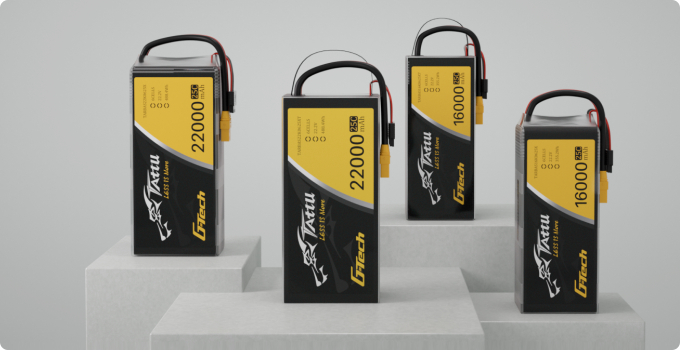
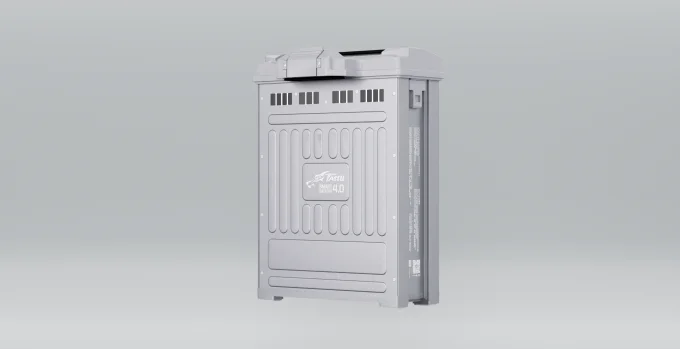
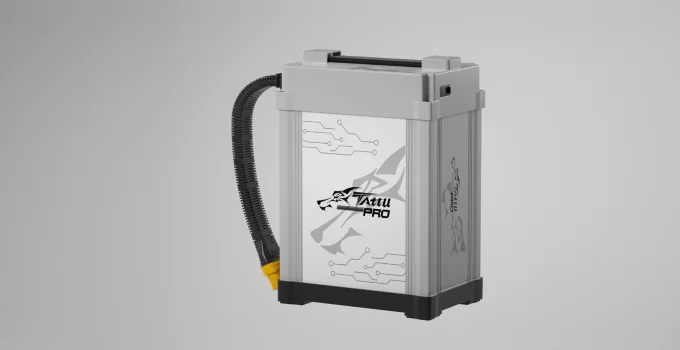
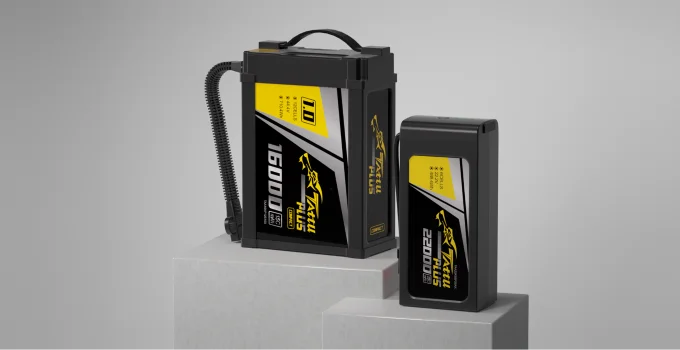
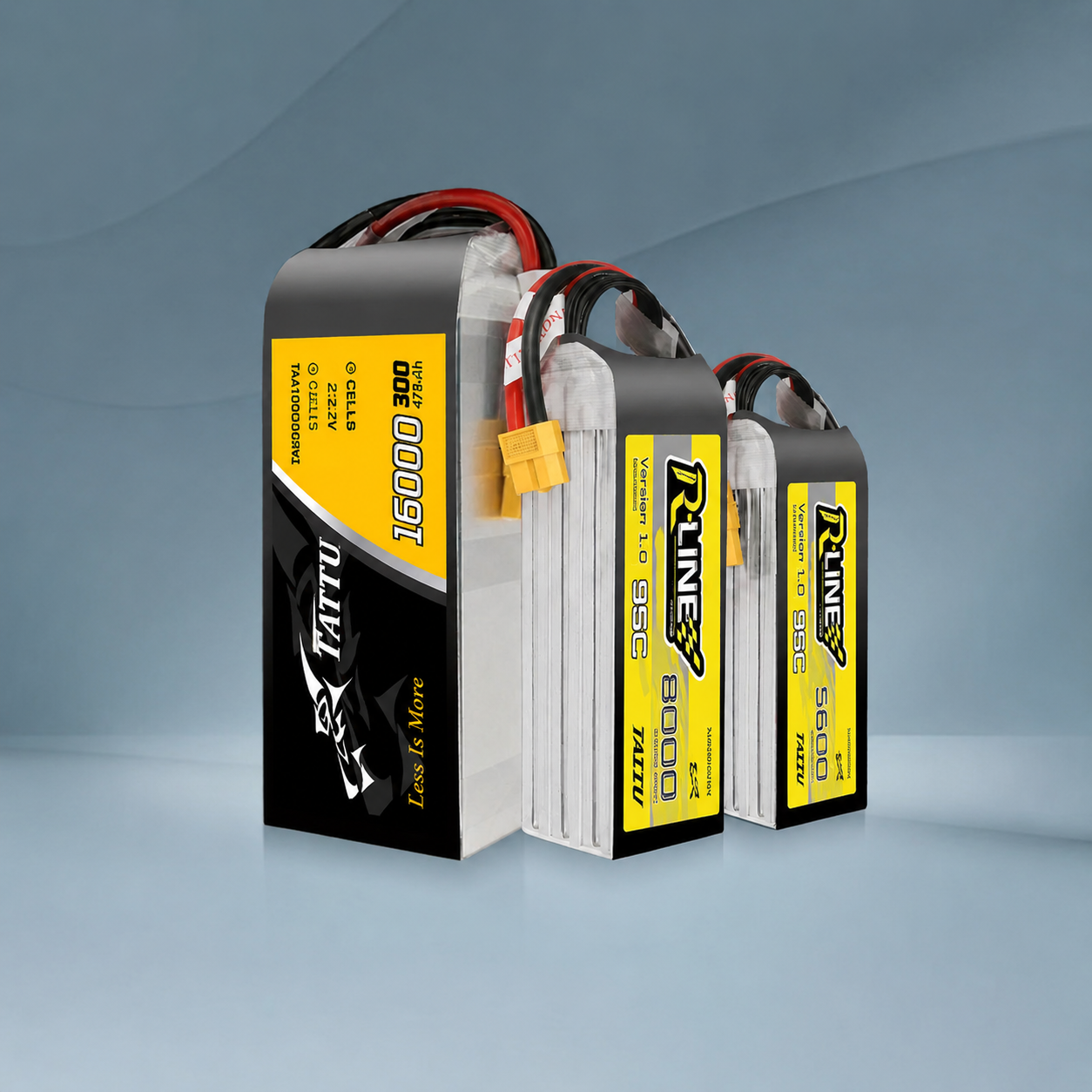
As drone technology evolves, dual or multi-battery systems will continue to improve in efficiency and safety, supporting diverse applications. For advanced solutions, Grepow offers smart UAV batteries with integrated BMS for optimal performance in demanding tasks. Contact us at [email protected] for more information.




 Datasheet
 Datasheet
 Datasheet


